Drain and main sewer line cleaning in North Lebanon
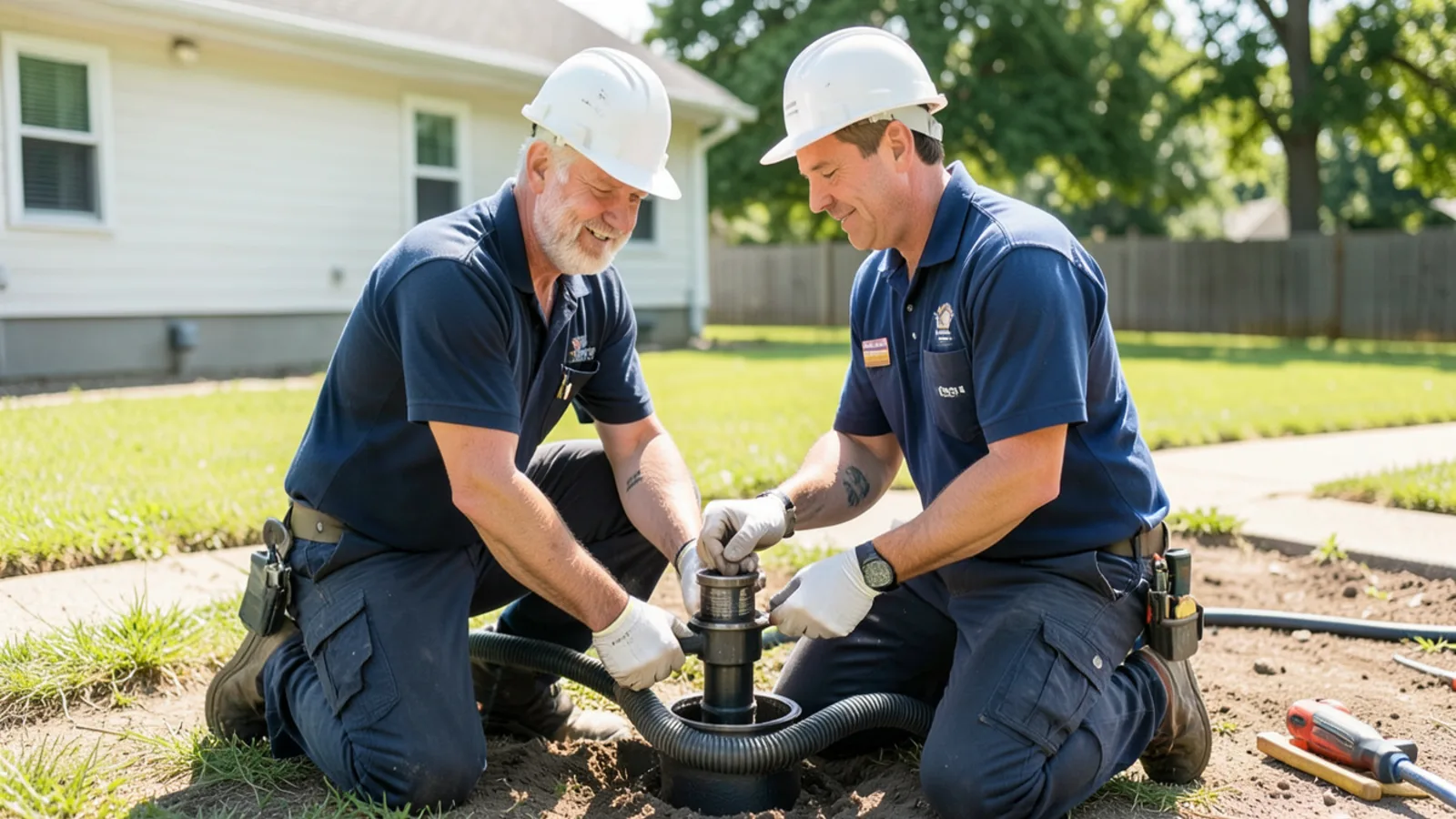
From slow-draining kitchen sinks and standing water in shower pans to whole-house main sewer lateral backups, our Cumberland Street drain technicians deliver powerful mechanical clearing across North Lebanon Township. We snake lines cleanly, cut invasive tree roots, and restore unrestricted flow with upfront flat-rate pricing. Dispatched directly from our Cumberland Street shop in Lebanon County with upfront flat quotes and prompt local arrival.
What professional drain cleaning includes across North Lebanon Township
Professional drain cleaning restores unobstructed gravity flow through residential piping systems using commercial-grade mechanical machinery rather than corrosive retail chemicals. Operating directly from our Cumberland Street shop in downtown Lebanon, our service vans carry specialized clearing equipment sized for everything from small residential fixture traps to four-inch main building sewer laterals.
Our drain cleaning scope covers six primary mechanical applications: secondary branch line snaking for sluggish kitchen sinks, garbage disposals, and laundry lines; bathroom vanity, shower pan, and tub drain hair and soap scum clearing; heavy-duty motorized main building drain clearing through foundation cleanouts; hardened root-cutting and mechanical boring through tree-root-compromised exterior laterals; P-trap disassembly, mechanical cleaning, and fixture venting verification; and exterior two-way cleanout installation to provide street-level diagnostic access. Every service visit begins with an on-site mechanical evaluation and a flat upfront written quote before snaking begins.
Recognizing secondary fixture clogs versus main sewer blocks
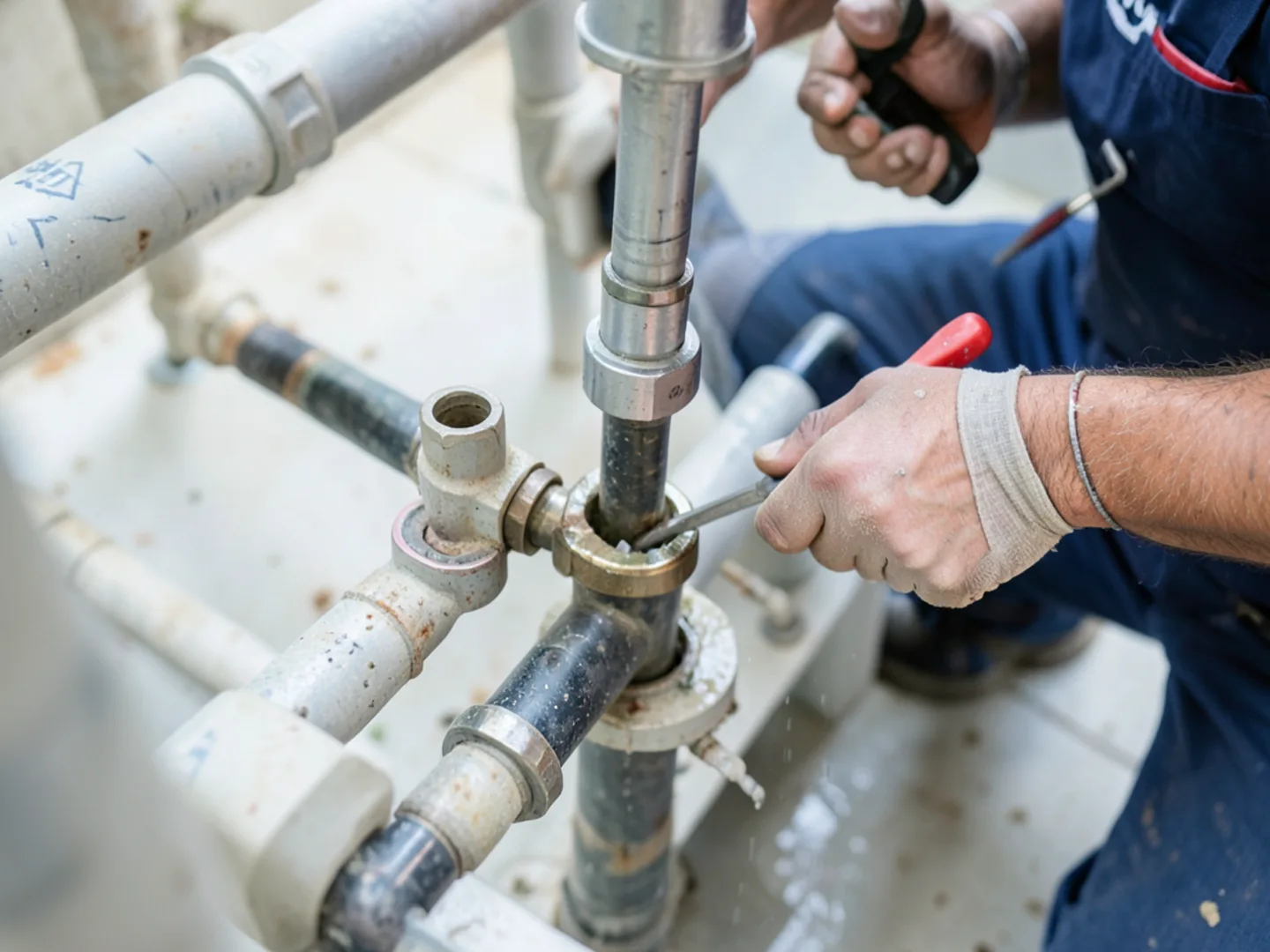
A slow-draining kitchen sink or standing water in your shower pan is typically a localized secondary branch clog. These clogs form in small-diameter pipes—typically one-and-a-half to two inches in diameter—where accumulated cooking grease, soap scum, and hair collect inside the fixture P-trap or baffle tee. In these localized scenarios, other plumbing fixtures throughout the house continue to drain normally without bubbling or gurgling.
In contrast, a main sewer line blockage affects multiple plumbing fixtures across your home simultaneously. When flushing an upstairs toilet causes wastewater to bubble up in your downstairs bathtub, or running the washing machine sends soapy water and sewer gas surging out of a basement floor drain, the four-inch main building sewer lateral is obstructed. Because municipal sewer mains operate by gravity, wastewater blocked downstream forces its way up through the lowest plumbing fixtures in the structure. Main line backups require immediate mechanical clearing to prevent raw sewage from contaminating basement living areas.
Need drain cleaning in North Lebanon Township?
Call (207) 419-2600 to discuss your plumbing repair with our Cumberland Street team.
Why Lebanon County drains and sewer lines back up
The Lebanon Valley features a diverse mix of residential architecture, and each housing era presents specific drainage vulnerabilities. In historic borough homes across Palmyra, Annville, and Cleona built before 1960, interior drain-waste-vent (DWV) piping is frequently constructed from original cast iron. Over decades of service, cast iron develops internal rust tuberculation—a rough, jagged interior scale that catches toilet paper, food waste, and solid matter, progressively choking the line diameter.
Outside the foundation wall, older sewer laterals frequently transition to vitrified clay pipe. Clay laterals were installed in short three-foot sections joined by mortar or oakum. Shifting clay soil and ground settlement in our limestone karst valley crack these rigid joints over time. Mature silver maples, oaks, and weeping willows send fine root tendrils toward the moisture inside the pipe, where they expand into dense fibrous root masses that snag solids and trigger sudden backups.
Modern subdivisions face different operational challenges. Heavy water hardness in the Lebanon Valley—often testing between 8 and 14 grains per gallon—precipitates mineral scale inside drain walls, creating a chalky substrate that bonds with cooking fats and dish detergent. Compounding this, heavy usage of thick multi-ply toilet paper and flushable wipes (which do not break down in water) creates stubborn blockages in long horizontal runs before reaching the municipal collection main.
Our 6-step mechanical drain clearing procedure
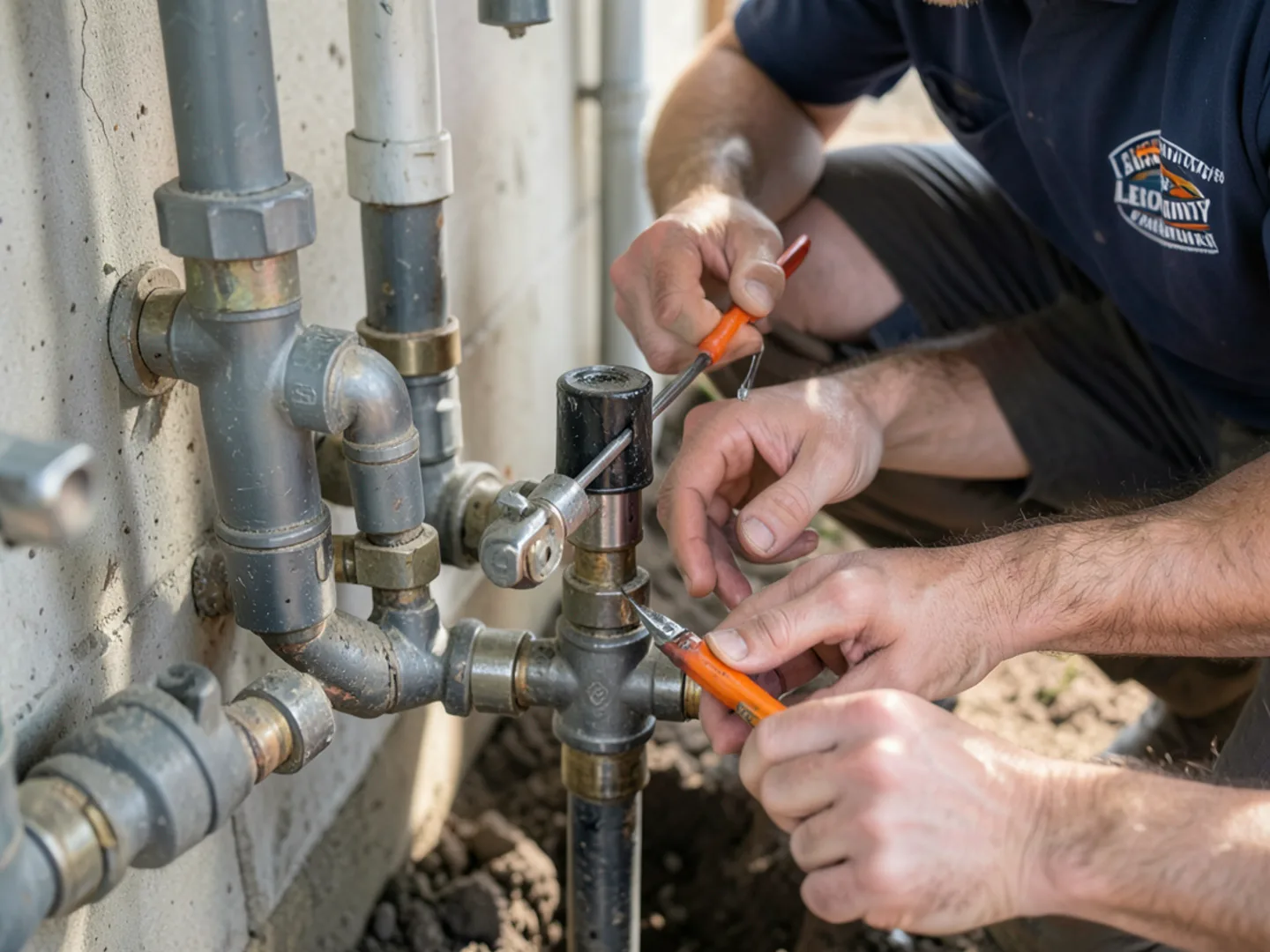
We do not rely on liquid chemical drain openers. Caustic chemical cleaners generate intense exothermic heat that softens PVC joints, cracks porcelain fixture bowls, and creates hazardous acid reservoirs that endanger service technicians during mechanical snaking. Instead, our team executes a disciplined 6-step mechanical clearing procedure.
Step 1: We conduct a visual and hydraulic inspection to isolate whether the clog is branch-specific or systemic to the main lateral. Step 2: We protect your home by placing heavy canvas drop cloths around the work area and removing the cleanout plug with proper containment trays. Step 3: We select the appropriate mechanical machine—using our compact RIDGID K-400 motorized drum machine with a 3/8-inch inner-core cable for secondary fixture lines, or our heavy-duty RIDGID K-7500 commercial auto-feed machine with a 3/4-inch inner-core cable for main sewer laterals. Step 4: We attach task-specific cutting heads, such as bulb augers for paper obstructions or hardened C-cutters and root-saw blades to shear tree roots flush with pipe walls. Step 5: Our technician drives the spinning cable through the entire run to the municipal sewer connection, clearing the full diameter. Step 6: We perform a high-volume hot water flushing test and inspect cleanout access caps to ensure airtight, leak-free re-sealing.
Mechanical snaking versus high-pressure hydro jetting
Homeowners frequently ask whether mechanical snaking or high-pressure hydro jetting is the right solution for their clogged drain. Mechanical snaking utilizes a rotating steel cable and hardened blades to bore a path through solid clogs, retrieve foreign objects, and cut open channels through dense tree roots. Snaking is the fastest, most economical solution for sudden residential stoppages.
However, when a sewer lateral suffers from chronic grease accumulation, heavy limestone scale, or persistent tree root infiltration, mechanical snaking only cuts a temporary hole through the obstruction. In these scenarios, high-pressure hydro jetting is recommended. Hydro jetting propels specialized rotating nozzles delivering 3,000 to 4,000 PSI of water to scour 360 degrees of the inner pipe wall, washing all grease and scale out into the municipal sewer main and restoring original pipe carrying capacity.
Cost factors for drain and sewer clearing in North Lebanon
The cost of professional drain cleaning in North Lebanon Township depends on three mechanical variables: cleanout accessibility, the location of the clog within the drainage system, and the nature of the obstruction. Clearing a localized sink or shower trap through an easily accessible under-sink cleanout requires less mechanical setup than pulling a toilet or accessing a rusted basement cleanout plug.
For main sewer lateral clearing, cost drivers include the total distance to the municipal street sewer (typically 40 to 100 feet), whether dense tree roots require multiple progressive passes with expanding root cutters, and whether diagnostic fiber-optic camera inspection is needed to evaluate pipe condition. Before our technician touches any machinery, we assess your drainage layout in person and provide a flat upfront written estimate, ensuring you approve all pricing before work begins.
Plumbing code standards and NLTMA cleanout requirements
Drainage installations and cleanout additions across North Lebanon Township must adhere to the Pennsylvania Uniform Construction Code (34 Pa. Code Ch. 403), which adopts the International Plumbing Code (IPC) Chapter 10 governing traps and cleanouts. Plumbing code mandates specific trap weir geometry and slope (minimum 1/4 inch per foot for pipes under three inches) to ensure wastewater maintains scouring velocity.
Under North Lebanon Township Municipal Authority (NLTMA) regulations, property owners maintain legal responsibility for the entire building sewer lateral from the house foundation to the municipal sewer collection main. Code requires that accessible cleanouts be installed at the base of each vertical soil stack and at intervals not exceeding 100 feet on horizontal runs. Our technicians install code-compliant two-way PVC cleanout assemblies fitted with threaded brass or PVC plugs to ensure your drainage system remains serviceable for future inspections.
Why North Lebanon homeowners trust our Cumberland Street team
Drain cleaning requires disciplined craftsmanship, powerful equipment, and total respect for your living space. Operating directly from our shop at 623–627 Cumberland Street along Route 422, our service trucks reach North Lebanon Township, Cleona, Annville, and Palmyra with prompt dispatch times. You speak directly with knowledgeable local technicians who understand local sewer infrastructure.
We treat your home with disciplined cleanliness, laying heavy protective drop cloths and wearing clean boot covers during every drain service call. Backed by professional-grade RIDGID machinery, upfront flat quotes, and written workmanship warranties, we ensure your drains flow freely without mess or unexpected fees.
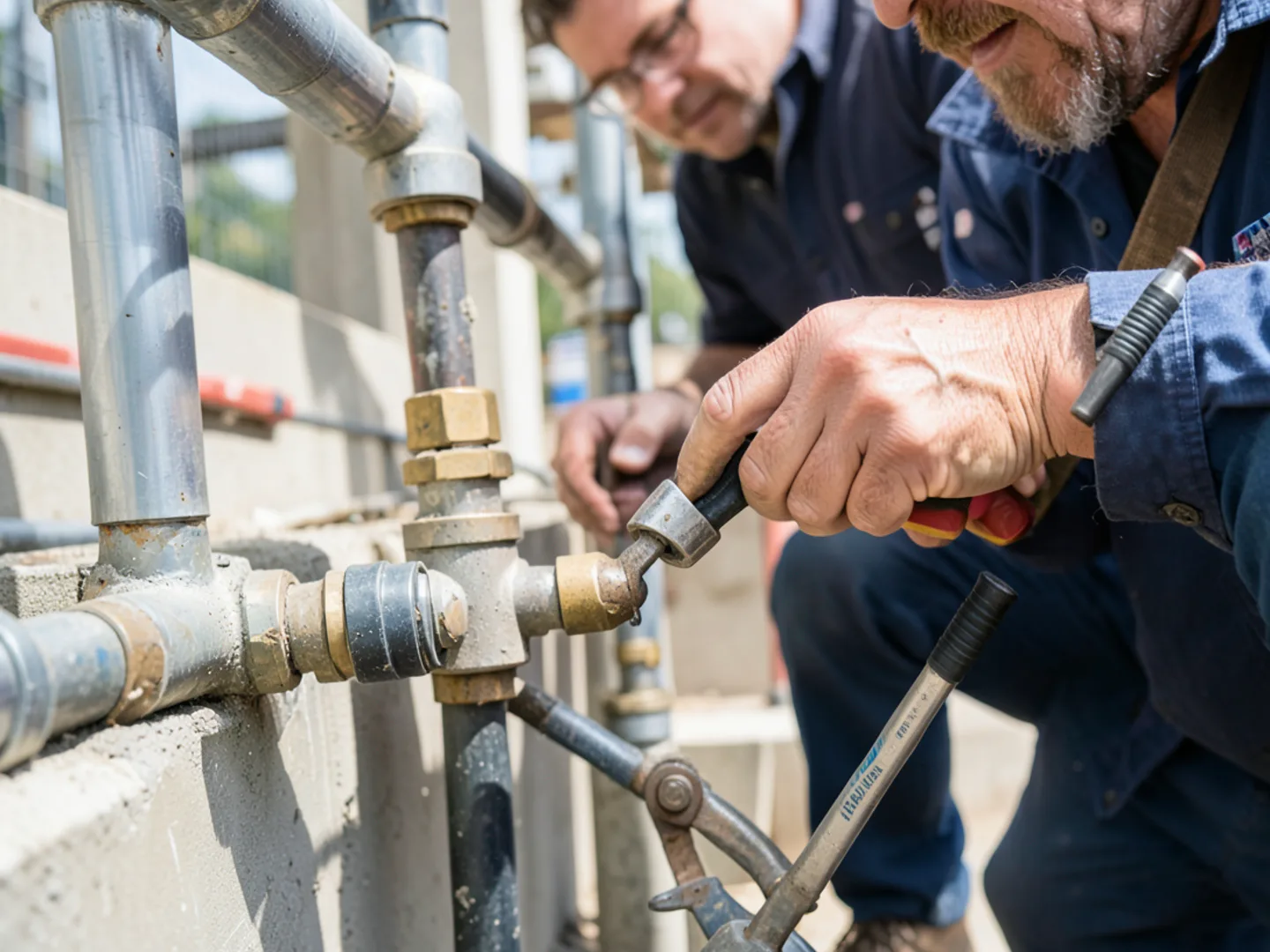
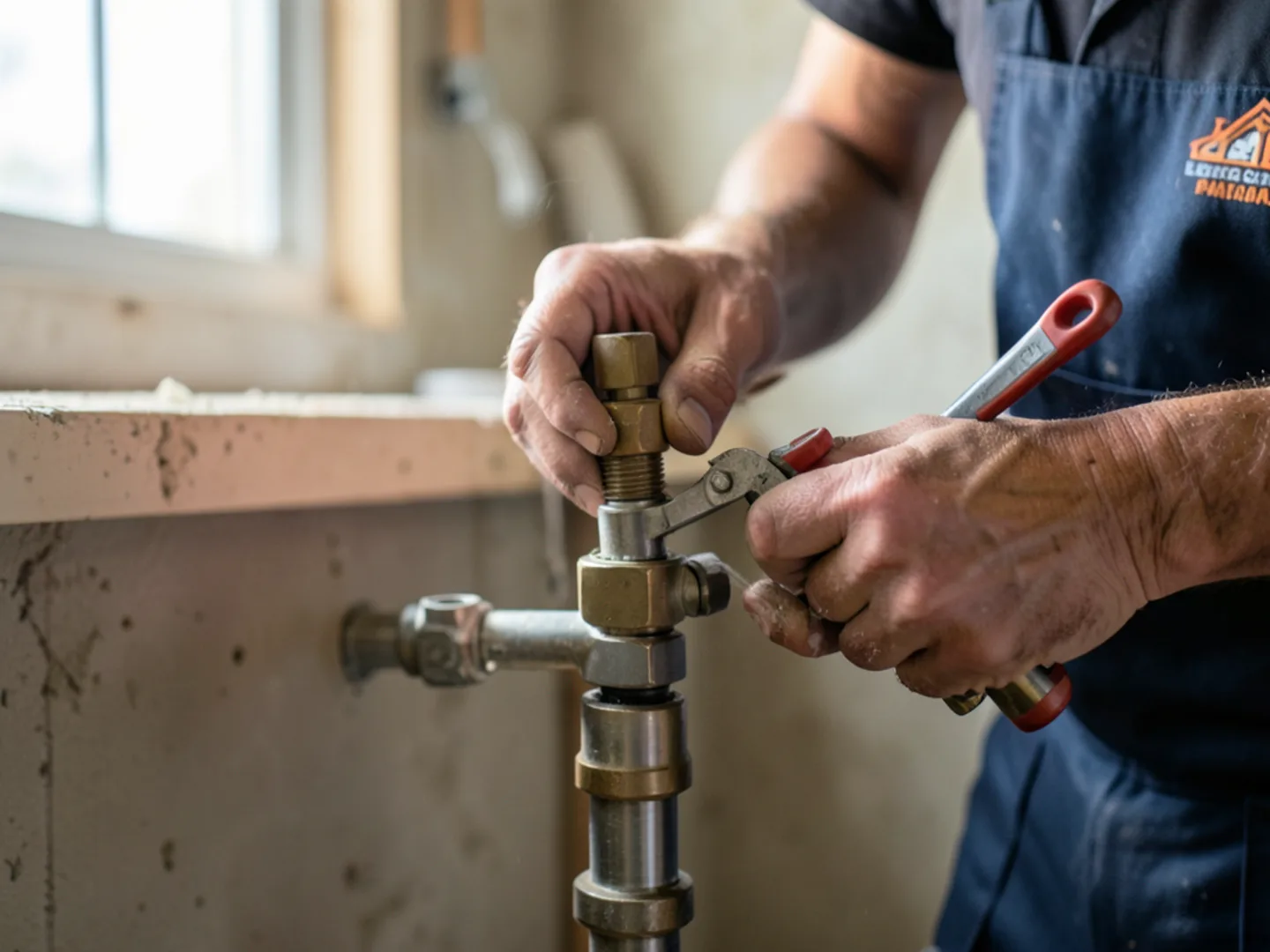
Job site documentation & mechanical procedures

Frequently asked questions about drain cleaning
Local Pennsylvania code, diagnostic methods, and service details.
Need immediate help with drain cleaning?
Speak directly with our North Lebanon plumbing specialists at (207) 419-2600.