Locating hidden water leaks behind walls and under floors
Locate hidden water leaks behind walls, beneath floors, and under concrete slabs without unnecessary demolition across North Lebanon Township. Operating from Cumberland Street, our technicians combine acoustic listening discs, infrared thermal imaging, and non-destructive pipe repairs backed by upfront flat pricing. Dispatched directly from our Cumberland Street shop in Lebanon County with upfront flat quotes and prompt local arrival.
What professional leak detection includes across North Lebanon Township
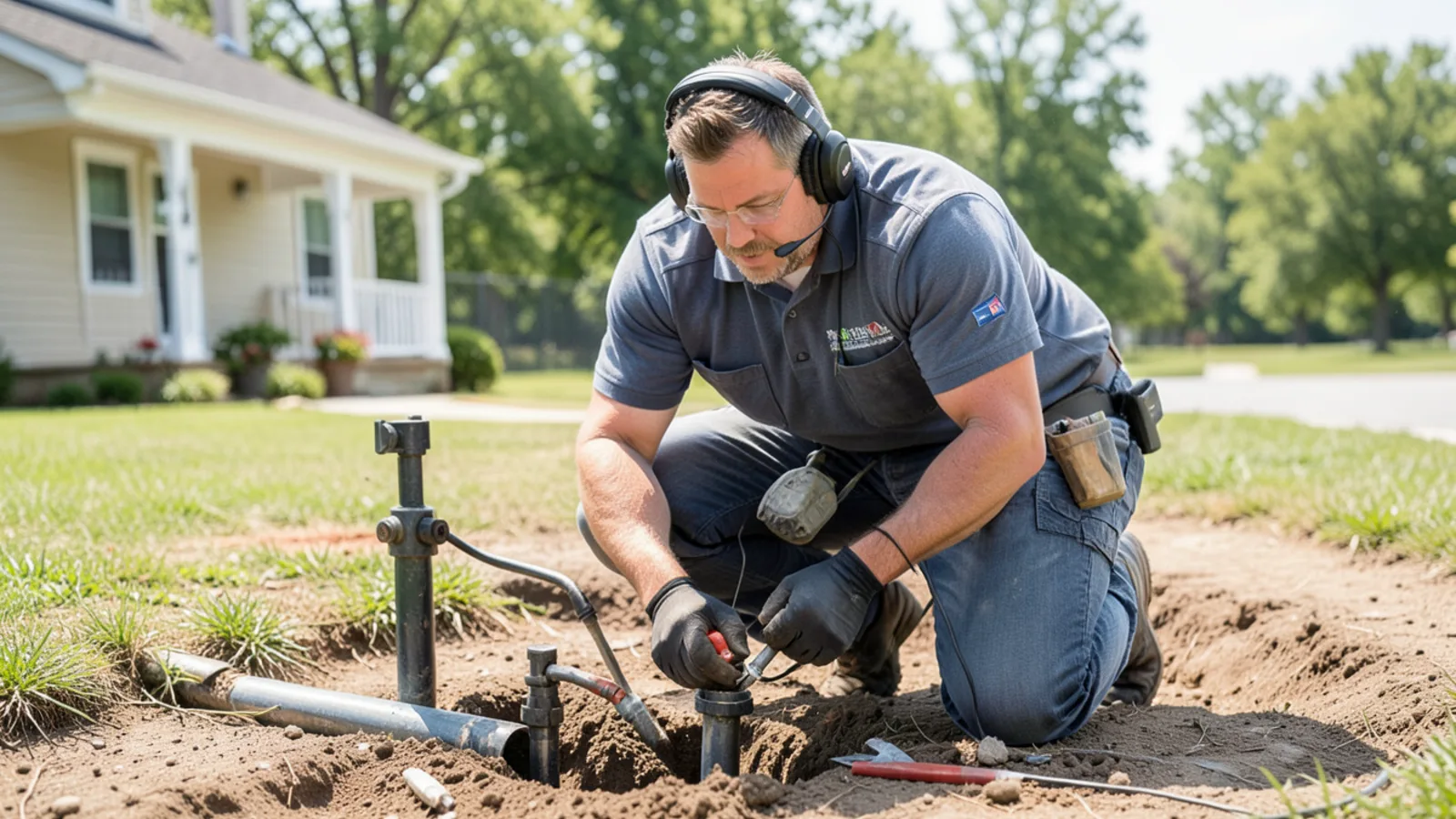
A hidden plumbing leak can discharge hundreds of gallons of water daily inside concealed wall cavities, subfloors, or foundation slabs without showing an obvious surface puddle. Operating directly from our facility at 623–627 Cumberland Street in downtown Lebanon, our technicians deploy non-destructive electronic diagnostic instruments to locate concealed leaks with pinpoint accuracy.
Our leak detection and structural pipe repair platform encompasses six critical mechanical scopes: ultrasonic acoustic listening surveys using ground microphones to capture the high-frequency hiss of pressurized water escaping pinholes; high-resolution FLIR infrared thermal imaging mapping temperature differentials behind drywall, ceilings, and tiled surfaces; isolated pressure decay testing utilizing clean nitrogen gas to verify supply line integrity without introducing water damage; subterranean concrete slab leak mapping isolating hot and cold lines embedded in foundation footers; surgical drywall and floor access cutouts restricted to the precise leak perimeter; and permanent structural pipe repairs utilizing Type L rigid copper, flame-free ProPress fittings, or Uponor PEX-a expansion tubing. Every leak investigation begins with a systematic diagnostic evaluation and a flat upfront written quote before any physical repairs begin.
Hidden leak warning signs in North Lebanon homes
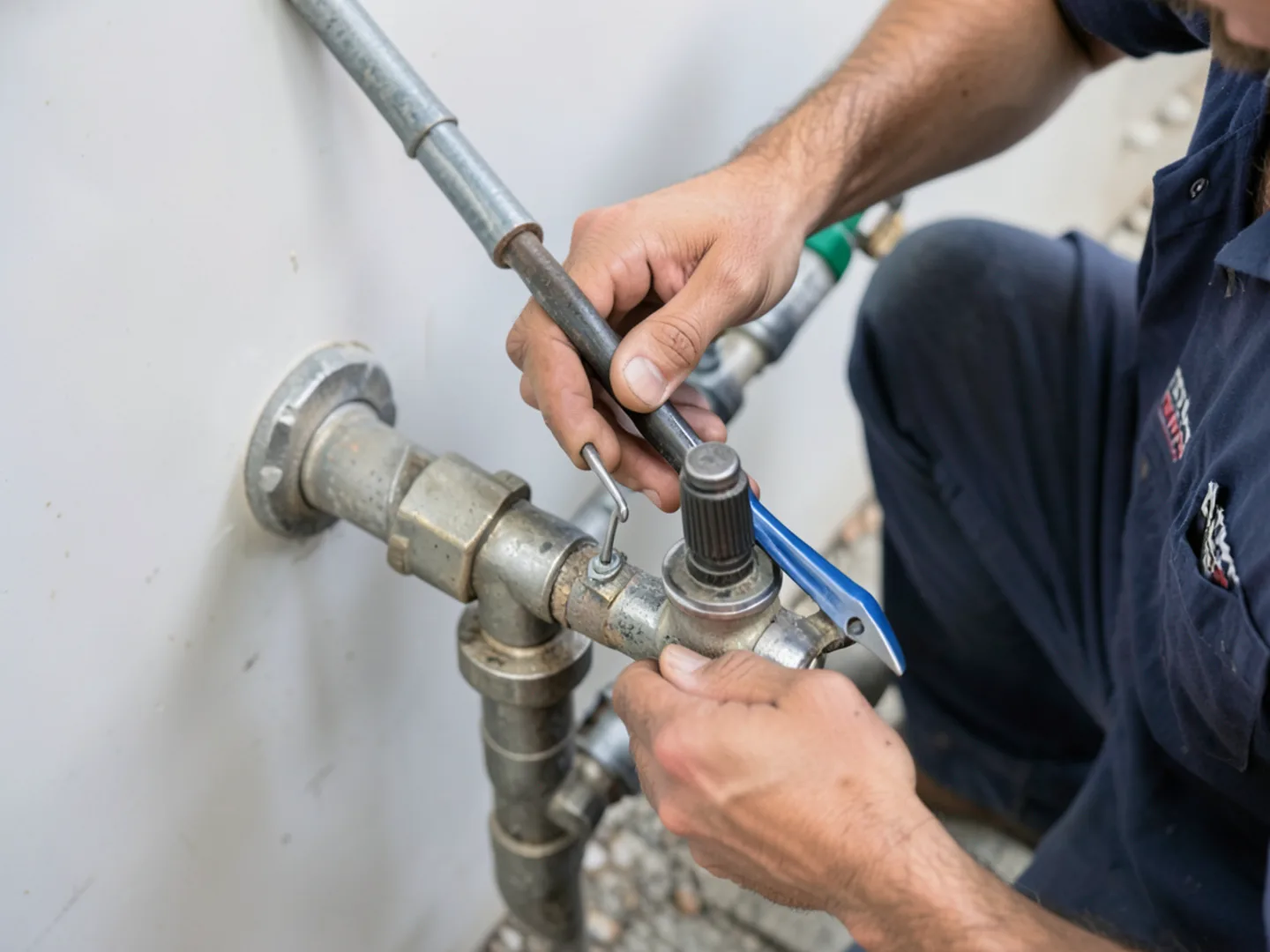
Concealed water leaks rarely announce themselves with sudden geysers; instead, they develop slowly through pinhole corrosion, joint fatigue, or settlement friction. Homeowners across North Lebanon Township should monitor their property for subtle warning signs before structural framing rots or toxic mold colonies establish inside wall voids.
The most reliable indicator of a hidden leak is an unexplained spike on your quarterly water bill from the City of Lebanon Authority or Pennsylvania American Water Company. If your domestic consumption jumps despite no change in household habits, water is escaping somewhere in the piping network. Other common symptoms include hearing the faint sound of running or hissing water inside walls when all faucets are shut off; noticing isolated warm or damp spots on concrete basement floors; discovering peeling baseboards or bubbling drywall paint; and detecting persistent earthy or mildew odors in basements and utility closets.
Need leak detection & pipe repair in North Lebanon Township?
Call (207) 419-2600 to discuss your plumbing repair with our Cumberland Street team.
Non-destructive acoustic listening and thermal imaging technology
In the past, plumbers often engaged in destructive exploratory demolition, ripping open extensive sections of drywall, plaster, or hardwood flooring hoping to stumble upon a hidden leak. At North Lebanon Plumbing, we utilize non-invasive electronic diagnostics that isolate pipe breaches through solid construction materials.
Our technicians employ high-sensitivity acoustic ground microphones and acoustic listening discs. Pressurized water escaping through a pinhole or cracked fitting creates distinct acoustic vibrations that resonate through copper, PEX, and surrounding concrete. By adjusting frequency filters, we filter out ambient room noise and trace the sound directly to its loudest point of origin. Concurrently, we sweep suspect walls and floors with calibrated FLIR thermal imaging cameras. Evaporative cooling and hot water temperature signatures reveal hidden moisture pathways behind sheetrock and beneath ceramic tile, pinpointing the source within inches.
Slab leaks and subterranean foundation piping challenges
While most Lebanon County residences feature full subterranean basements, ranch-style homes, split-level properties, and rear additions frequently incorporate slab-on-grade concrete foundations. In these homes, domestic copper water lines were often routed directly beneath or through the poured concrete slab during original construction.
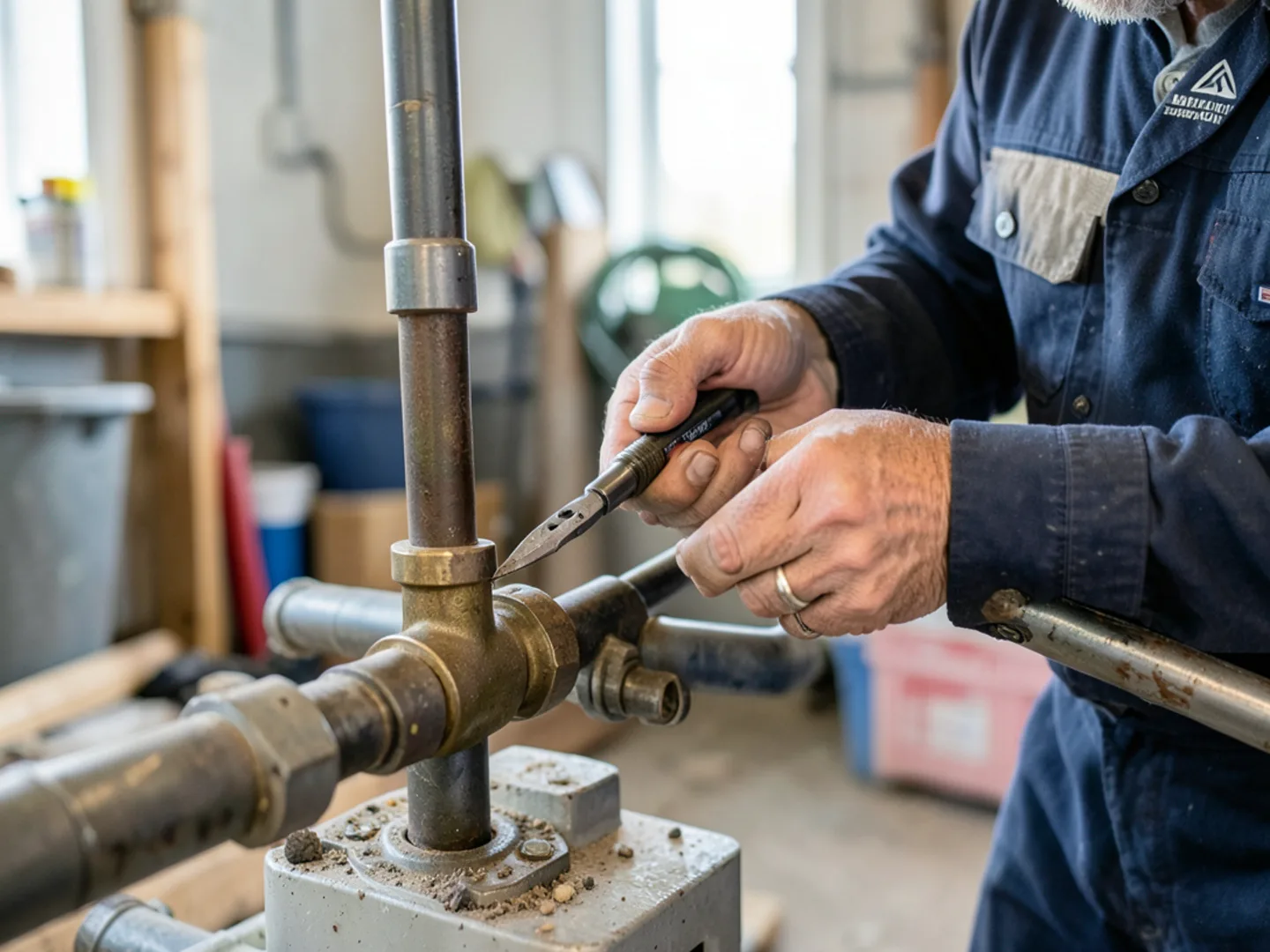
Over decades, chemical reactions between bare copper tubing and concrete minerals—combined with thermal expansion friction against rough gravel aggregate—can wear tiny pinholes in subterranean pipes. When a slab leak develops on a hot water line, homeowners frequently notice warm spots on linoleum or hardwood floors, condensation beads along baseboards, or a water heater that runs continuously. We map the underground line electronically and offer two permanent remediation paths: surgical slab penetration to repair the leaking segment, or a complete overhead line reroute through ceiling joists using flexible PEX-a tubing that abandons the buried line entirely.
Our 6-step leak detection and pipe restoration procedure
Our Cumberland Street plumbing team executes a disciplined 6-step procedure for every leak detection and repair call across North Lebanon Township.
Step 1: We conduct a whole-house water meter isolation test, shutting off all domestic fixture valves and observing the meter low-flow indicator dial to confirm an active pressurized leak. Step 2: We perform a static pressure decay test using a liquid-filled test gauge, isolating cold supply trunks from hot distribution lines to identify which plumbing zone is compromised. Step 3: We deploy ultrasonic acoustic listening equipment and thermal imaging scanners along the pipe run, triangulating the exact geographic location and depth of the leak behind walls or under floors. Step 4: We carefully open a minimal, surgically sized inspection access point directly over the damaged pipe joint, protecting surrounding flooring and furnishings with clean drop cloths. Step 5: We cut away the corroded or fractured pipe segment, deburr the pipe ends, and install a permanent structural repair using Type L copper with flame-free RIDGID ProPress fittings or Uponor PEX-a engineered polymer sleeves. Step 6: We repressurize the system to maximum municipal operating pressure, conduct digital acoustic and visual checks to verify a 100% watertight seal, and confirm that the main water meter low-flow dial remains stationary.
Cost factors for leak detection and repair in North Lebanon
The total cost for professional leak detection and repair depends on several diagnostic and structural factors: the accessibility of the piping (exposed basement joists versus concealed behind tiled bathroom walls or buried beneath eight inches of reinforced concrete slab); the diagnostic technology required; and the scope of structural pipe repair selected.
A localized pinhole repair on an accessible copper line is straightforward and economical. In contrast, locating and rerouting an abandoned hot water line beneath a finished slab foundation requires specialized equipment and additional linear footage of PEX piping. Before opening any surface or initiating repairs, our technicians present a clear, flat upfront written quote so you understand all diagnostic and repair costs in advance.
Plumbing codes, potable water safety, and building protection
All pipe repairs performed by our technicians adhere strictly to the Pennsylvania Uniform Construction Code (34 Pa. Code Ch. 403) and International Plumbing Code (IPC) Chapter 6 governing water supply systems. Under IPC Section 605, all replacement materials—including copper fittings, brass valves, and PEX-a tubing—must be lead-free and certified to NSF/ANSI 61 and 372 standards for safe drinking water.
Additionally, code prohibits repairing potable water supply lines with temporary rubber hose clamps, compression sleeves, or chemical epoxy patches. Every repair executed by our Cumberland Street plumbers involves permanent mechanical fittings or brazed connections engineered to withstand continuous municipal water pressure up to 150 PSI. We protect your home structural integrity while restoring safe domestic water flow.
Why North Lebanon homeowners trust our Cumberland Street team
Resolving concealed plumbing leaks demands specialized electronic diagnostic instruments, master plumbing craftsmanship, and disciplined respect for your living space. Operating from our central shop at 623–627 Cumberland Street along Route 422, our service vans reach homes in North Lebanon Township, Cleona, Annville, and Palmyra with prompt dispatch times.
We are registered Pennsylvania home improvement contractors (PA HIC #PA-184920) led by Master Plumber Dale Hostetter. We invest in high-end acoustic listening wands and infrared cameras to eliminate destructive guesswork. Backed by upfront written quotes, solid workmanship warranties, and clean drop-cloth protection, our technicians solve hidden pipe leaks cleanly and permanently.
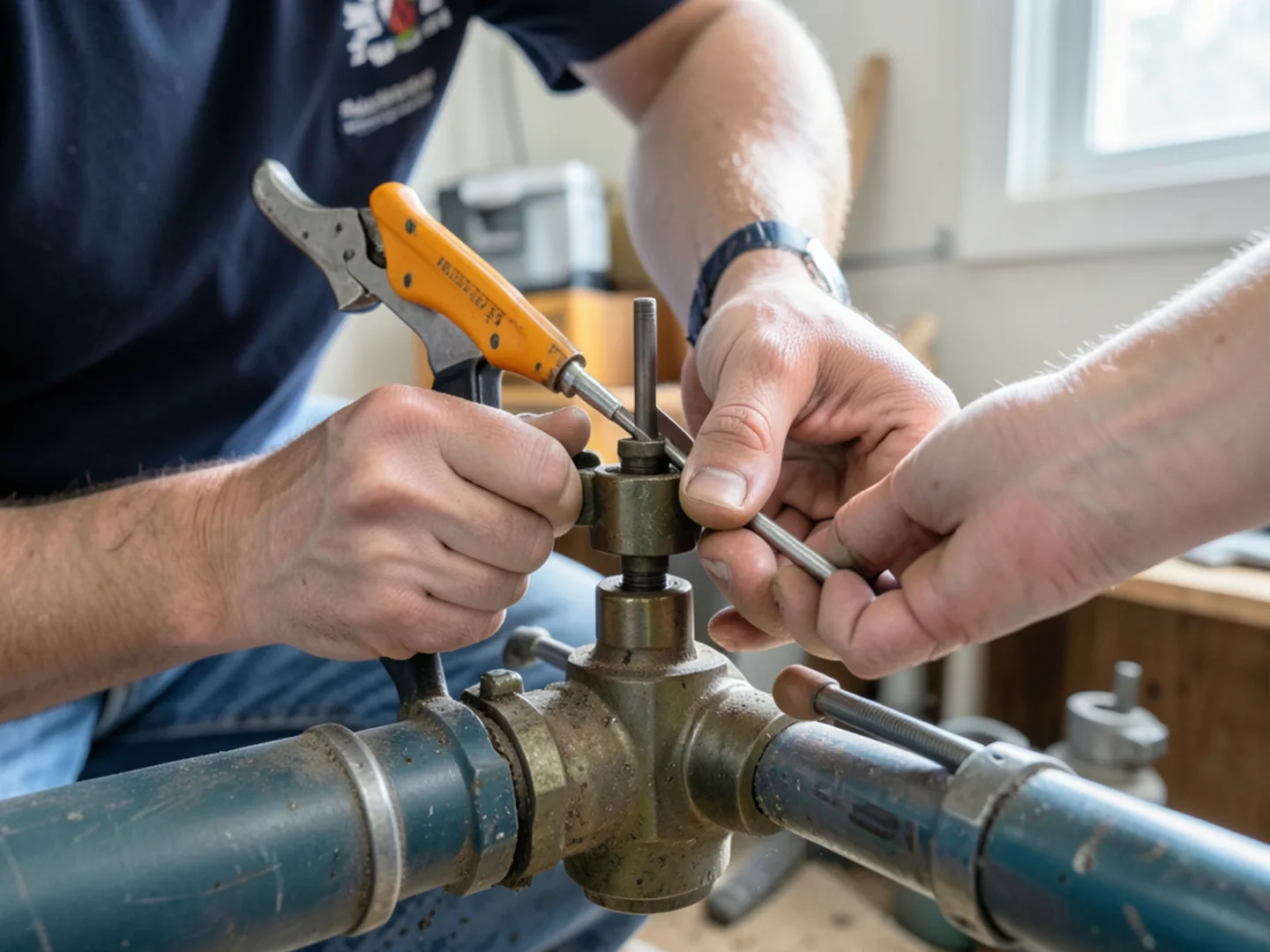
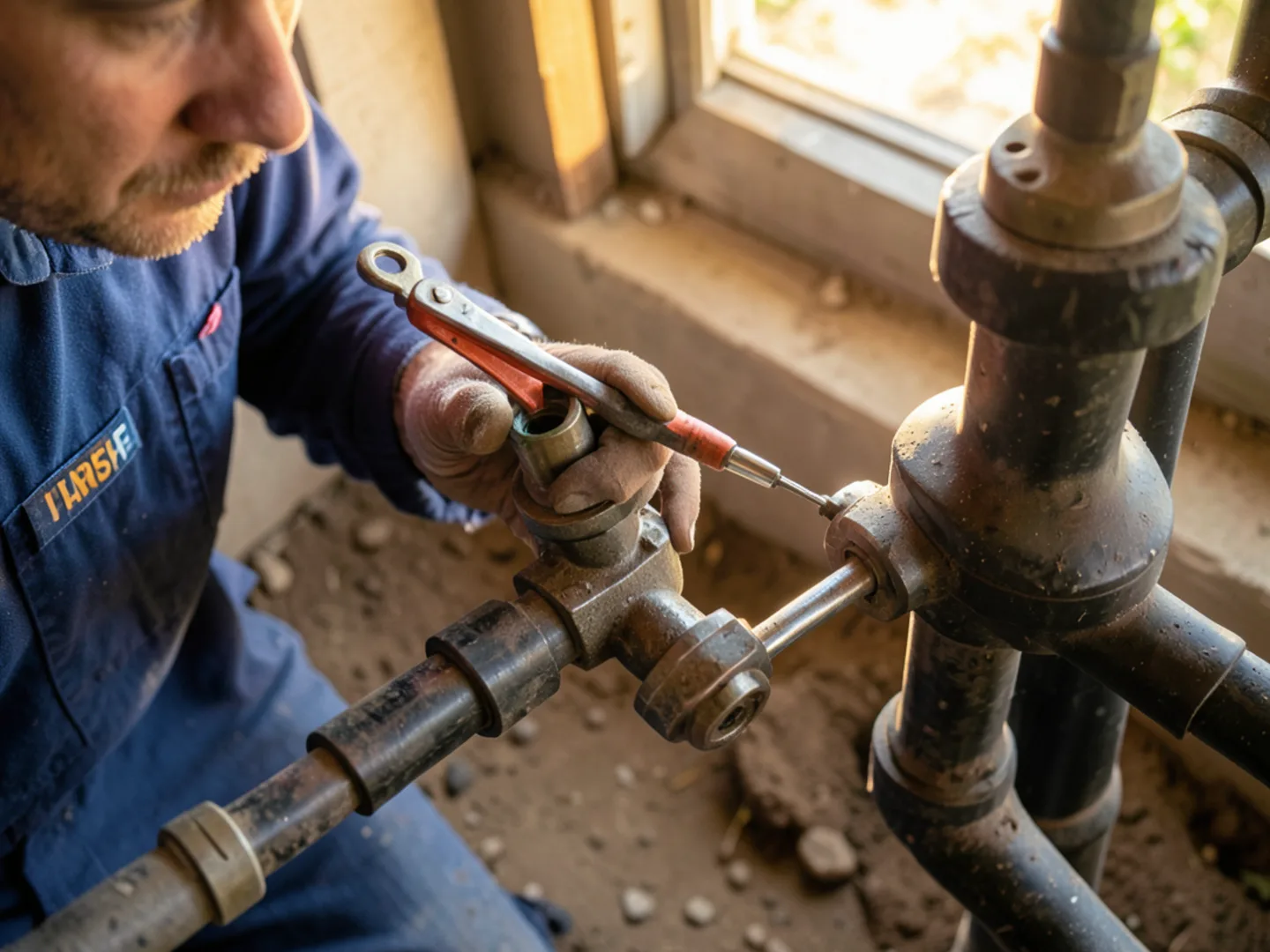
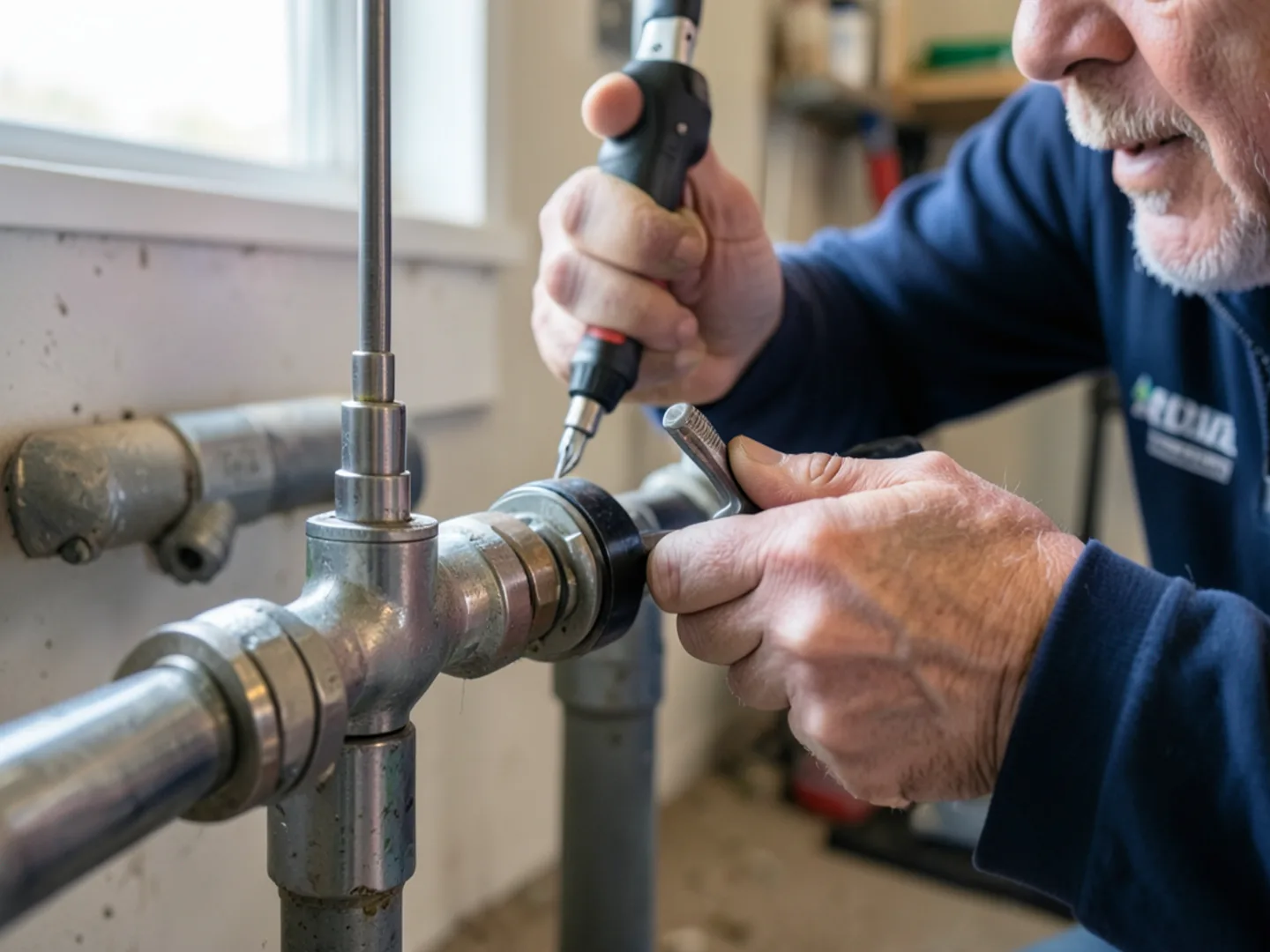
Job site documentation & mechanical procedures
Frequently asked questions about leak detection & pipe repair
Local Pennsylvania code, diagnostic methods, and service details.
Need immediate help with leak detection & pipe repair?
Speak directly with our North Lebanon plumbing specialists at (207) 419-2600.